Maybe you have heard of Ween, whether it was through 2004’s “The SpongeBob SquarePants Movie” end credits playing Ween’s aquatic hit “Ocean Man” or in 1992 on MTV playing the music video for “Push Th’ Little Daisies”. Ween’s artistry and talent often goes disregarded by critics and the casual listeners because of their typically unserious and immature take on music, but the band actually has much more to offer than just jokes.
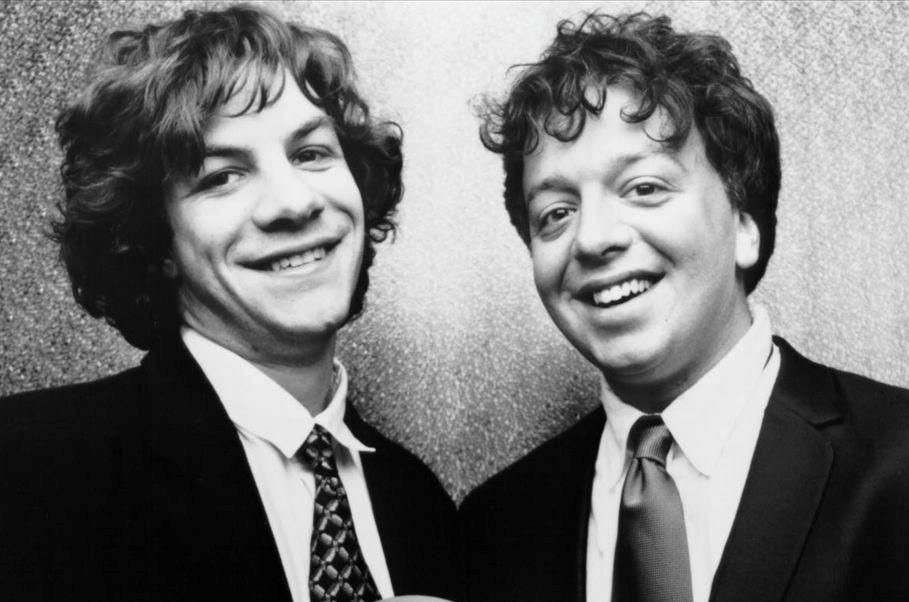
Formed by childhood friends Aaron Freeman and Mickey Melchiondo in 1984 when they were 14 years old after befriending each other during their shared typing class, they discovered an abundance of shared interests and musical taste. Freeman and Melchiondo formed Ween instantly after their meet cute and quickly adopted the aliases Gene Ween and Dean Ween respectively.
Throughout the early years of Ween, the two managed to record hundreds of obnoxious songs and even independently released several noisy albums like “The Crucial Squeegie Lip” in 1987 and “Erica Peterson’s Flaming Crib Death” in 1986.
Ween set themselves apart very early on with their very independent way of creating their music, the band was kept between themselves with Melchiondo playing majority of instruments and backing vocals and Freeman staying on main vocals, even in live performances, the duo would opt to play over a backing track than with a live band.
In 1990, Ween released their first official release on the Twin/Tone label, “God Ween Satan”. The album marked the beginning of their reign of terror over the world of music. “God Ween Satan” serves as a greatest hits of Ween’s early independent efforts, while maintaining the endearing irreverence found in their first home recordings.
“God Ween Satan” appears as the first official example of Ween’s courage to transcend genres with tracks like the punk rock screeched “You F***ed Up” to the childish and bubbly pitched up “Don’t Laugh (I Love You)” while keeping their humorous charm with their lyrics.
With the album, Ween lays down the foundation for their unique mythology of the demon god Boognish that would maintain the band’s cult following to this day.
Following in 1991, Ween would find newfound inspiration in their place of living, a small run down home next to farmland, which they endearingly titled the Pod. Freeman and Melchiondo inhabited the Pod from 1989 until their eviction in October of 1991, one month after releasing the album of the same name “The Pod”.
“The Pod” as an album is a distinct jump in sound from what was heard in “God Ween Satan”, where Ween’s extensive substance abuse begins to leak through. The album’s distinctly drug-infused abstract lyricism and experimental lo-fi tone sets it apart from not only their previous releases but also their future ones.
Ween’s experimentation with voice effects is a constant throughout the album, predominantly very low-pitched vocals as seen in the backhanded letter “Sorry Charlie”.
“The Pod” also introduced the drum kit which would stay a key defining feature of Ween’s music throughout their early years.
“The Pod” also further expanded the band’s unique mythology, introducing the first and second part of the Stallion saga which would continue and be referenced scattered throughout their following albums.
In short, “The Pod” defined Ween’s experimental and strange sound that would influence and change the band and their status in the industry completely.
1992 brought the release of Ween’s breakthrough album “Pure Guava”, which was also the first album Ween released on a major label, Elektra.
“Pure Guava” brought the band into niche stardom with one track shining into the public eye. “Push Th’ Little Daisies” became Ween’s #1 hit, a pitched up song with an annoyingly catchy chorus would reign terror on the average MTV viewer in the early 90s, from the music video playing on the channel to being referenced and heckled in MTV’s own dynamic duo “Beavis and Butthead”.
The album did not stray far from the sound “The Pod” introduced, keeping the weird and trippy voice effects and lo-fi vibe. “Pure Guava”, beyond its hit song, is full of diamonds in the rough, incorporating more cohesive and listenable songs within the tracklist. A prime example being the heartfelt “Sarah”, a departure from the rest of the songs being a gentle sonnet to Freeman’s then girlfriend of the same name. “Sarah” is a peek into Ween’s hidden talent of writing actual music.
“Pure Guava” put Ween into the mainstream of alternative music, allowing the band to expand their horizons and their career as a whole.
This only marks the beginning of Ween and the start of their claim to fame. With the releases of their initial albums, the band quickly made their mark on the music industry, proving not only their talent but also their place as an alternative to the alternative scene in the 90s.